Hello, I’m Felipe Gibran

Fullstack Software Engineer with 10 years building web products. I take a feature from the data model and the API to the interface and its performance.
Who I am
I build web products end to end, from the data model and the API to the interface and its performance. Ten years across fintech, logistics, Web3 and gaming, mostly on products that had to keep running while they changed.
For the last five years at Illuvium I owned the structural work behind a twelve-application portfolio: the design system, a CMS migration that took Lighthouse Performance from ~25 to ~90, the monorepo consolidation, and a real-time multiplayer game client.
What I Do

Architecture First

Migrations Without Downtime

Design Systems
Performance You Can Measure

Backend and Data Model

Content and SEO
How I Build with AI
I build with agents, and the responsibility never moves. I run Claude Code inside the repository, with the work broken into changes small enough for me to review each one in full.
- Spec first. Intent, constraints and acceptance criteria are written before anything is generated.
- Machine gates. Types, lint, tests and build run before I look at a single line.
- I read every diff I ship. If I can't defend it, it doesn't go out.
- Never delegated. Architecture, data model and security boundaries stay with me.
- Every fix becomes a rule. What I correct by hand once gets documented, so the setup improves along with the codebase.
Career Highlights
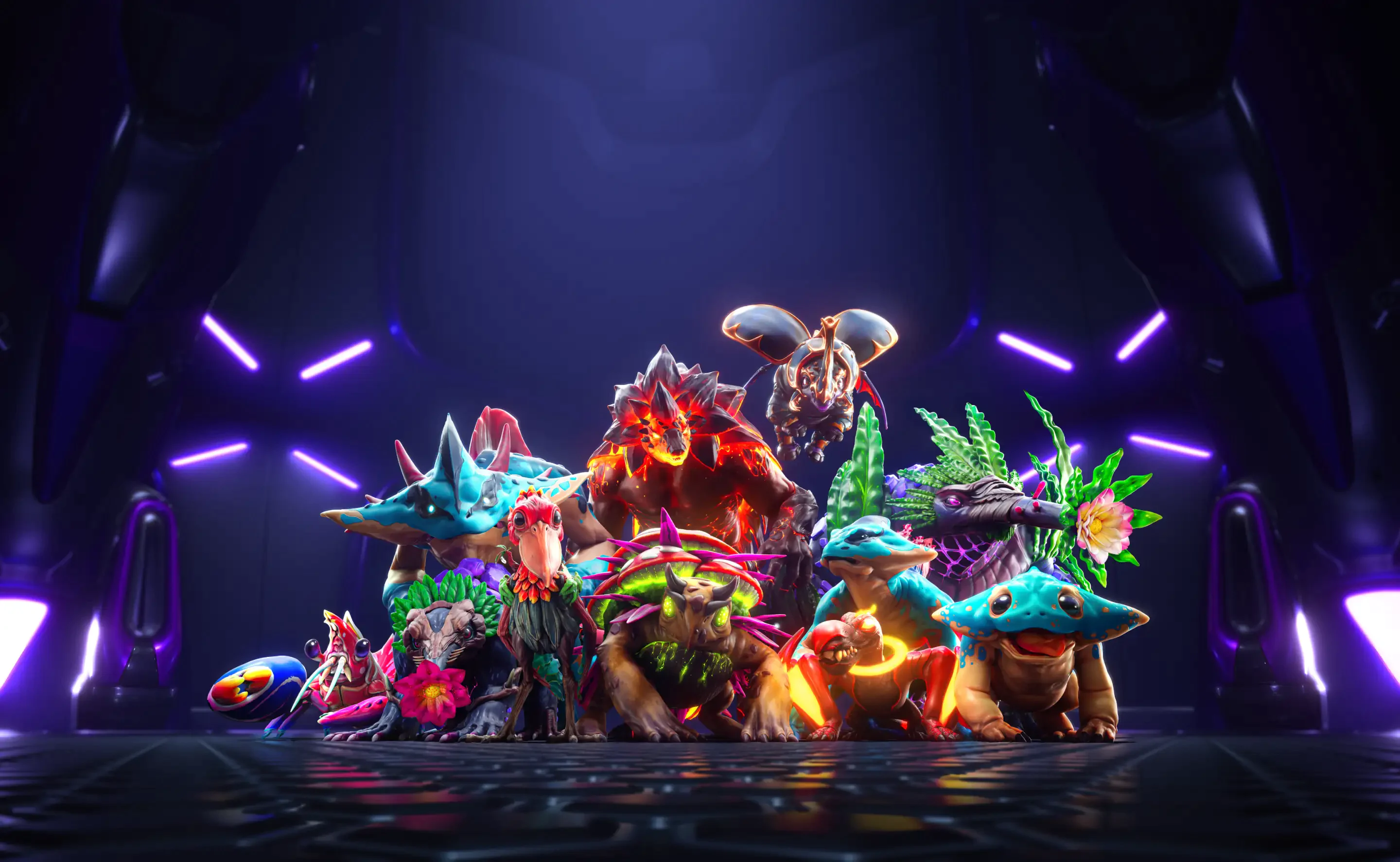

Illuvium is a blockchain-based gaming ecosystem combining AAA-quality game design with Web3 technology, across twelve production applications serving 10K+ monthly active users: marketplace, staking, authentication, marketing sites, a CMS-driven news platform, and game clients.
I joined in 2021 and spent nearly five years on the web team. I built and stewarded the design system for four years across two framework generations, led the Contentful to Payload CMS migration that took Lighthouse Performance from ~25 to ~90, drove the monorepo consolidation, moved live revenue-carrying flows onto new infrastructure without pausing feature delivery, and rearchitected a real-time multiplayer game client.
Simpli is a product studio that builds digital products from the ground up for external clients. I was there from 2016 to 2021, core engineer on several of them, from concept and MVP through to production.
I handled architecture, modernization and the reliability layer of iTrack, a B2B logistics platform at real scale: nearly 60,000 couriers, 2,000 registered companies, 50M+ invoices, acquired by MadeiraMadeira in 2021. I built the web client of Apptite, a food delivery platform accelerated by 500 Startups, and led the refactoring of Abacashi, the crowdfunding platform that acquired Sharity, the product my team had built. On the backend I designed APIs in Spring Boot (Java) with MySQL queries tuned for production volume. This is also where my Web3 work started: I structured the mobile version of Neon Wallet, the largest wallet in the Neo ecosystem with over $1B in traded volume, brought WalletConnect to the network and implemented atomic swaps.

Technologies that I use
Most used languages
Secondary
Timeline of my relevant works
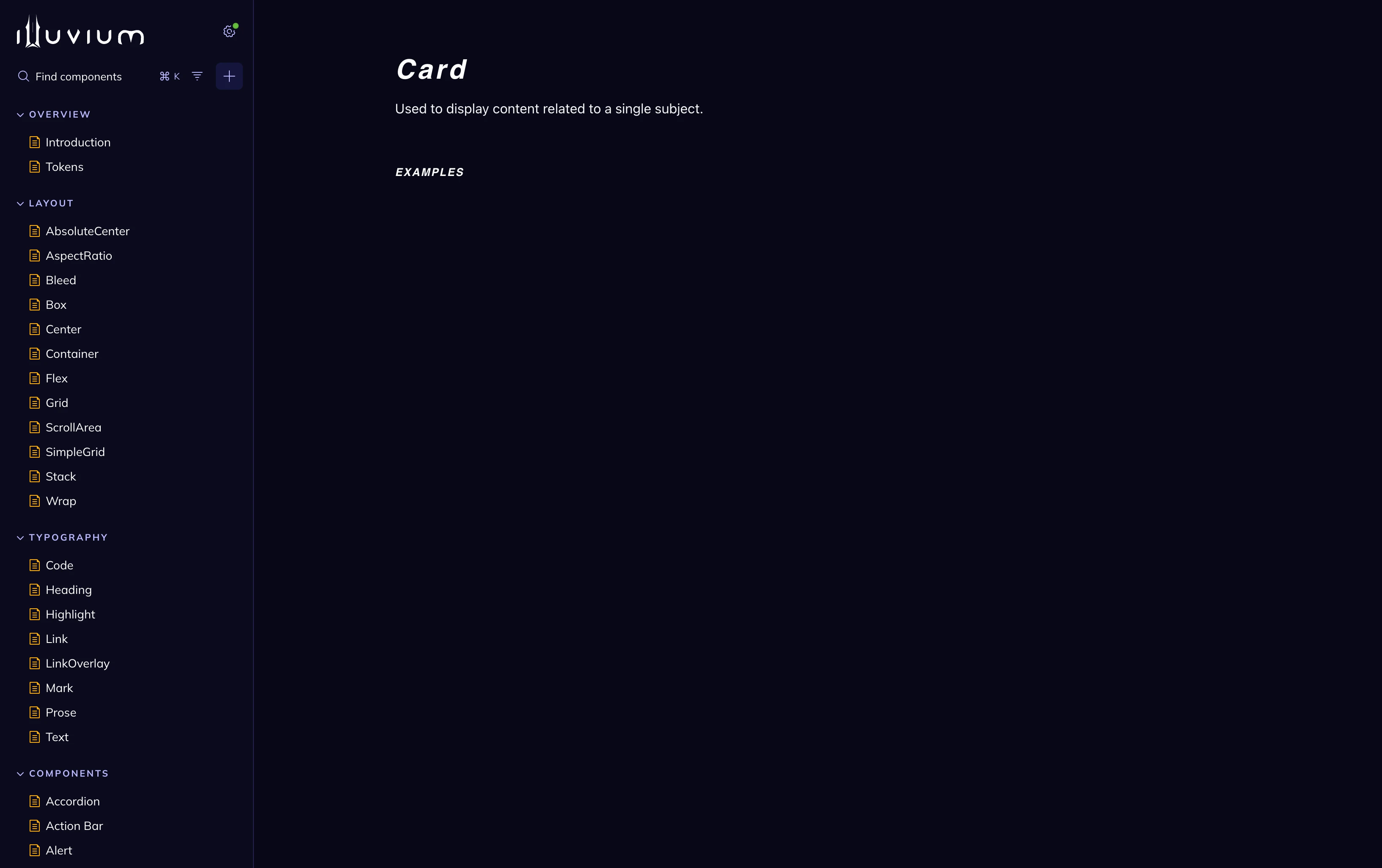
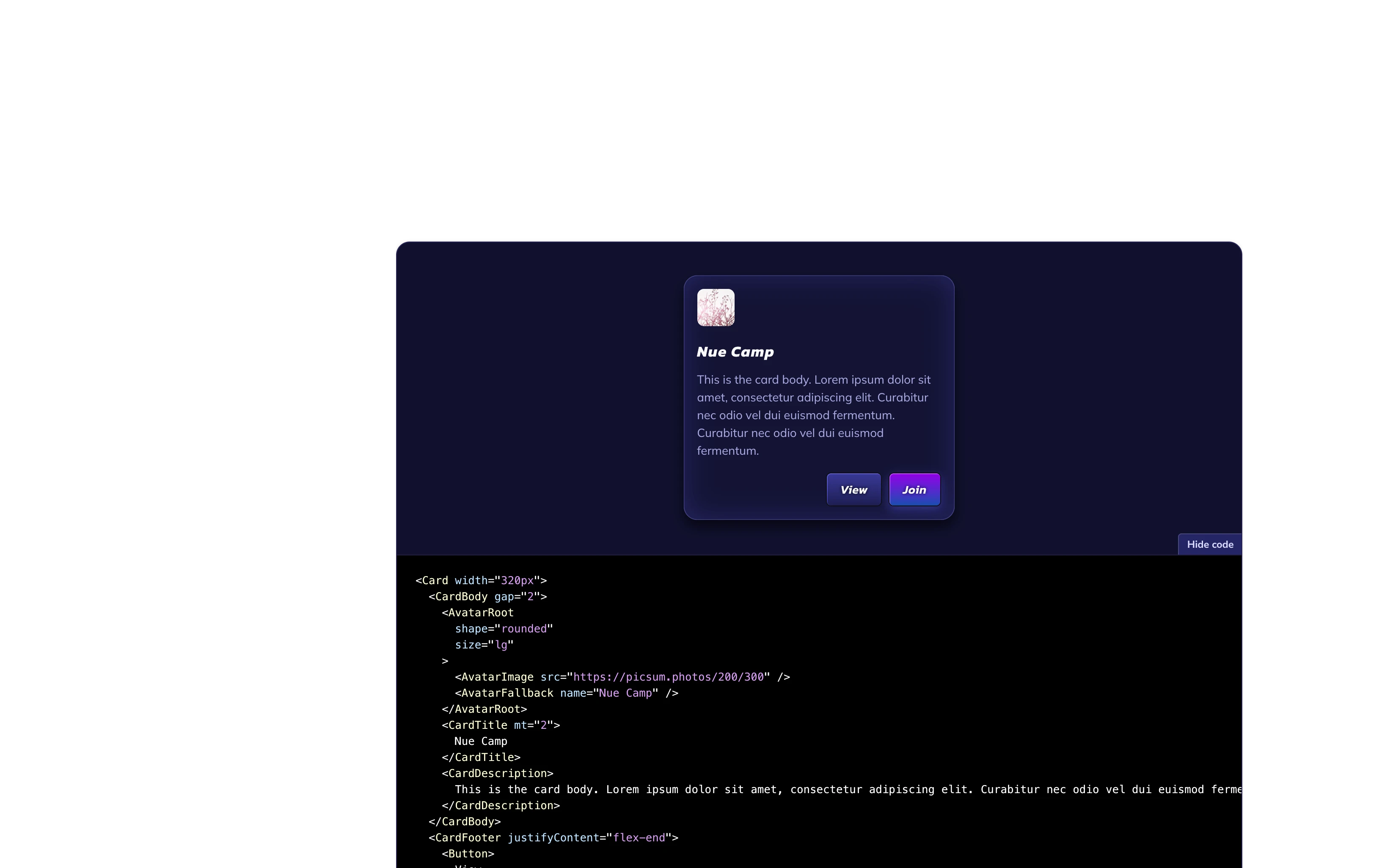
Design System Library, Version 2
Design System Library v2 is the second generation of the Illuvium web design system, rebuilt from the ground up on Chakra UI v3.
Problem: the first-generation system had matured, but Chakra v3 changed the styling architecture entirely, so staying on v2 meant freezing the foundation twelve applications depended on.
Decision: rebuild rather than patch. I redefined theme tokens, semantic color systems, component recipes and accessibility standards on the new architecture, and documented the whole surface in Storybook so onboarding and refactors wouldn’t depend on asking me.
Result: one visual language across the portfolio, on a foundation that has now survived two framework generations and a monorepo migration.
Role: Frontend Engineer · Year: 2025
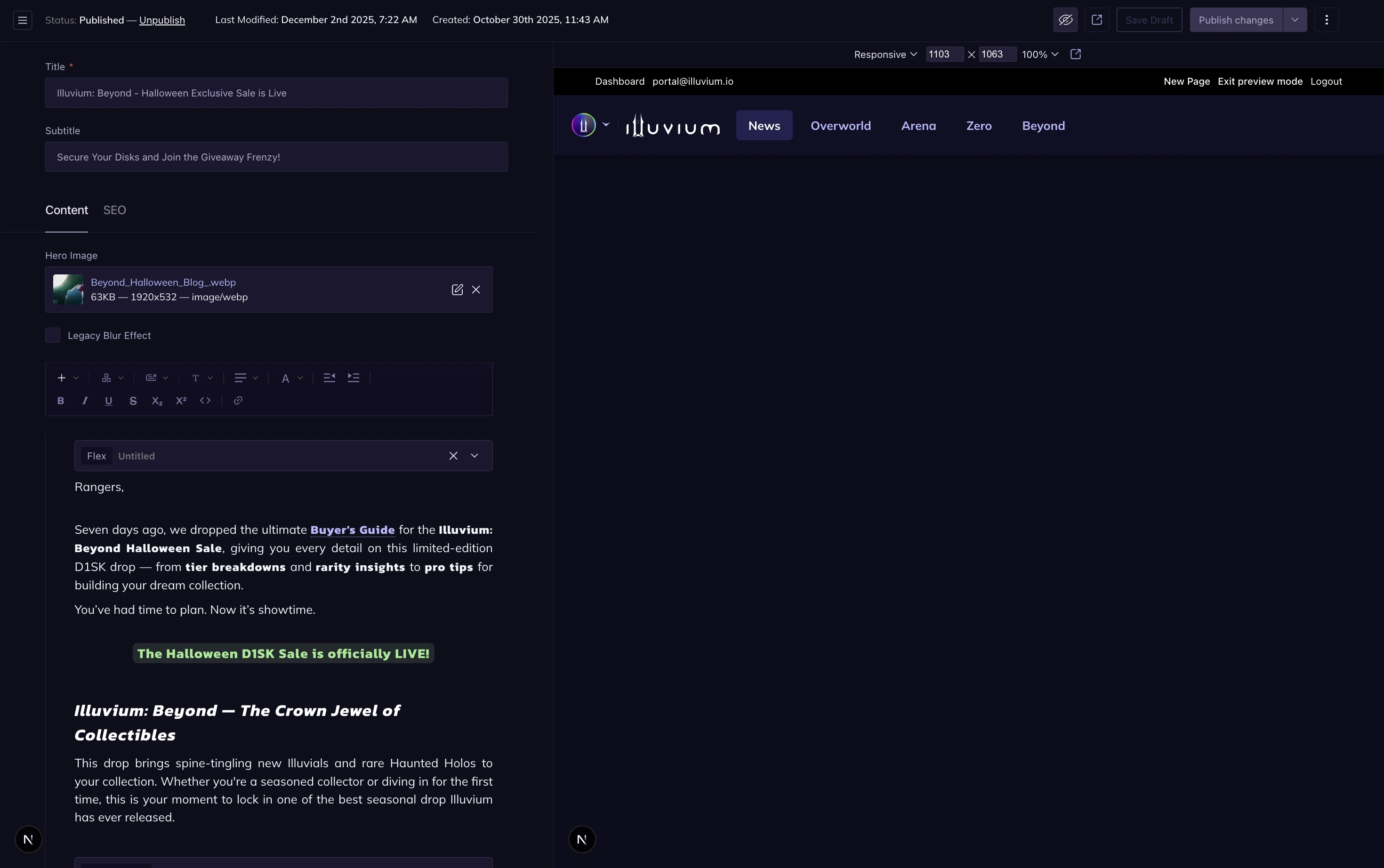
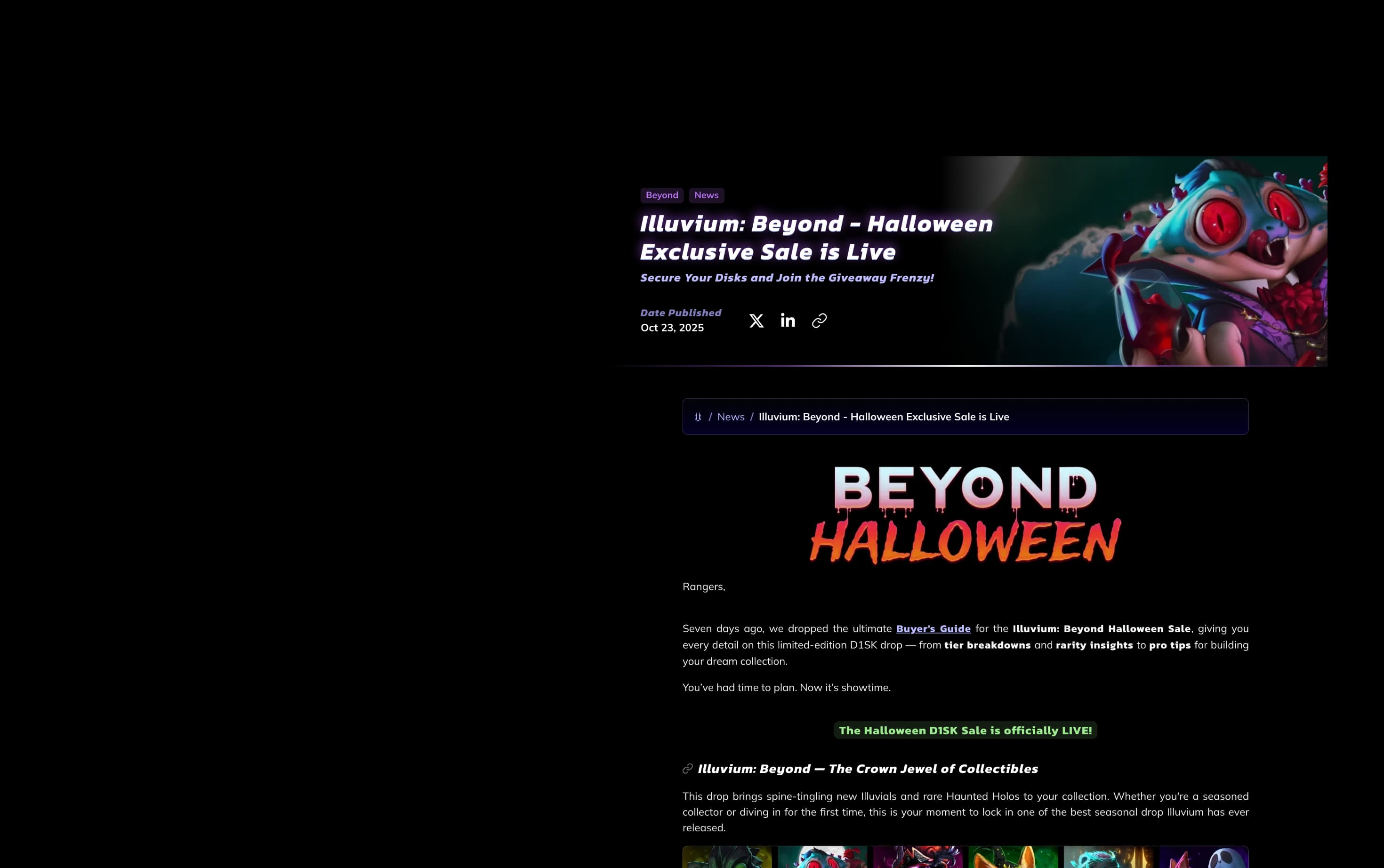
Illuvium Portal News
Illuvium Portal News is the official news platform for the Illuvium ecosystem, centralizing announcements, updates and editorial content.
Problem: the platform ran on Contentful and was slow, with Lighthouse Performance sitting around 25 to 30. Render-blocking CMS scripts and heavy over-fetching were built into the vendor’s model, so it couldn’t be optimized from the frontend.
Decision: migrate to Payload CMS, specifically because it’s code-first. Content models, access control and business logic live in the repository, so the content schema and the routing/SEO layer could be designed as one thing instead of two systems negotiating over an API.
Result: Lighthouse Performance went to ~85 to 90+ while holding 100 in Accessibility, Best Practices and SEO, with materially better LCP and TTFB, and content publishing got about 40% faster for the marketing team.
Role: Frontend Engineer · Year: 2025
Illuvium Overworld Web
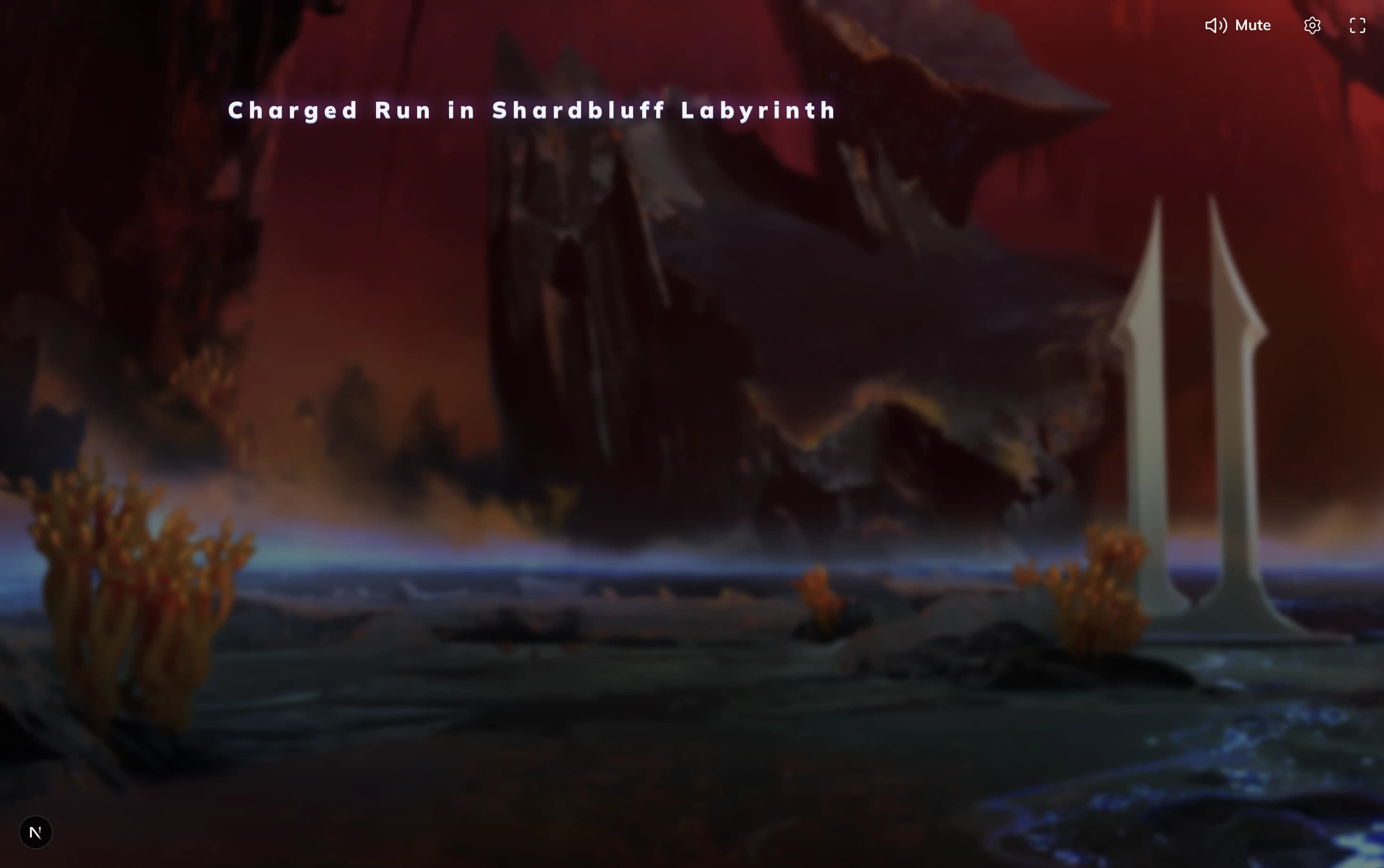
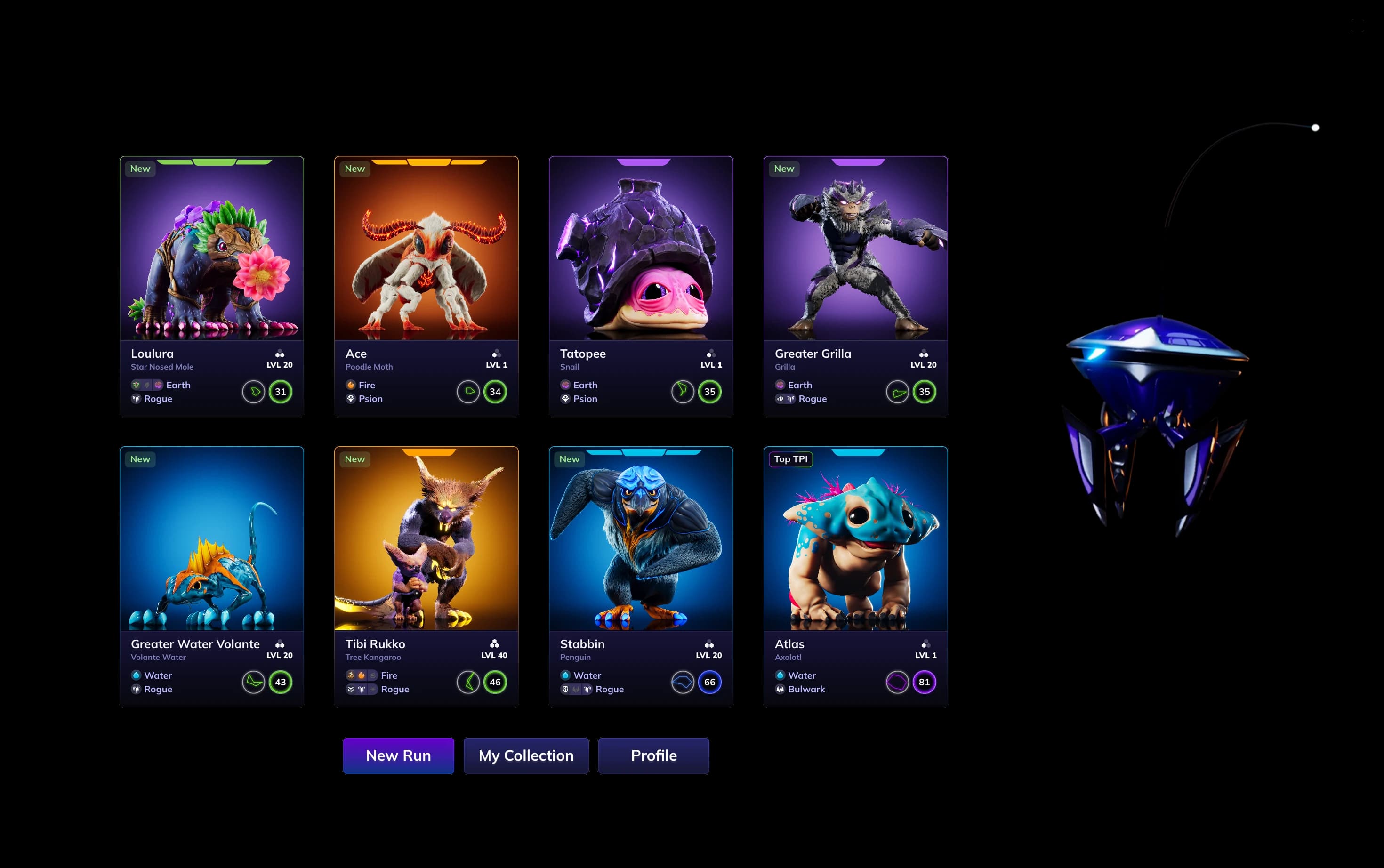
Illuvium Overworld Web is a web experience that simulates hunting monsters (Illuvials) in the Illuvium universe, where a drone captures discovered creatures and delivers them as NFTs.
Problem: reproduce a core gameplay loop in the browser. Interactive, animated, and tied to a blockchain-backed asset system that is slow and can fail.
Decision: treat it as a state machine with animation as a consequence of state, not the other way around, so the on-chain latency and failure paths had somewhere to live.
Result: a gameplay experience on the web that stays coherent when the chain doesn’t cooperate.
Role: Frontend Engineer · Year: 2024
IlluviDex Marketplace
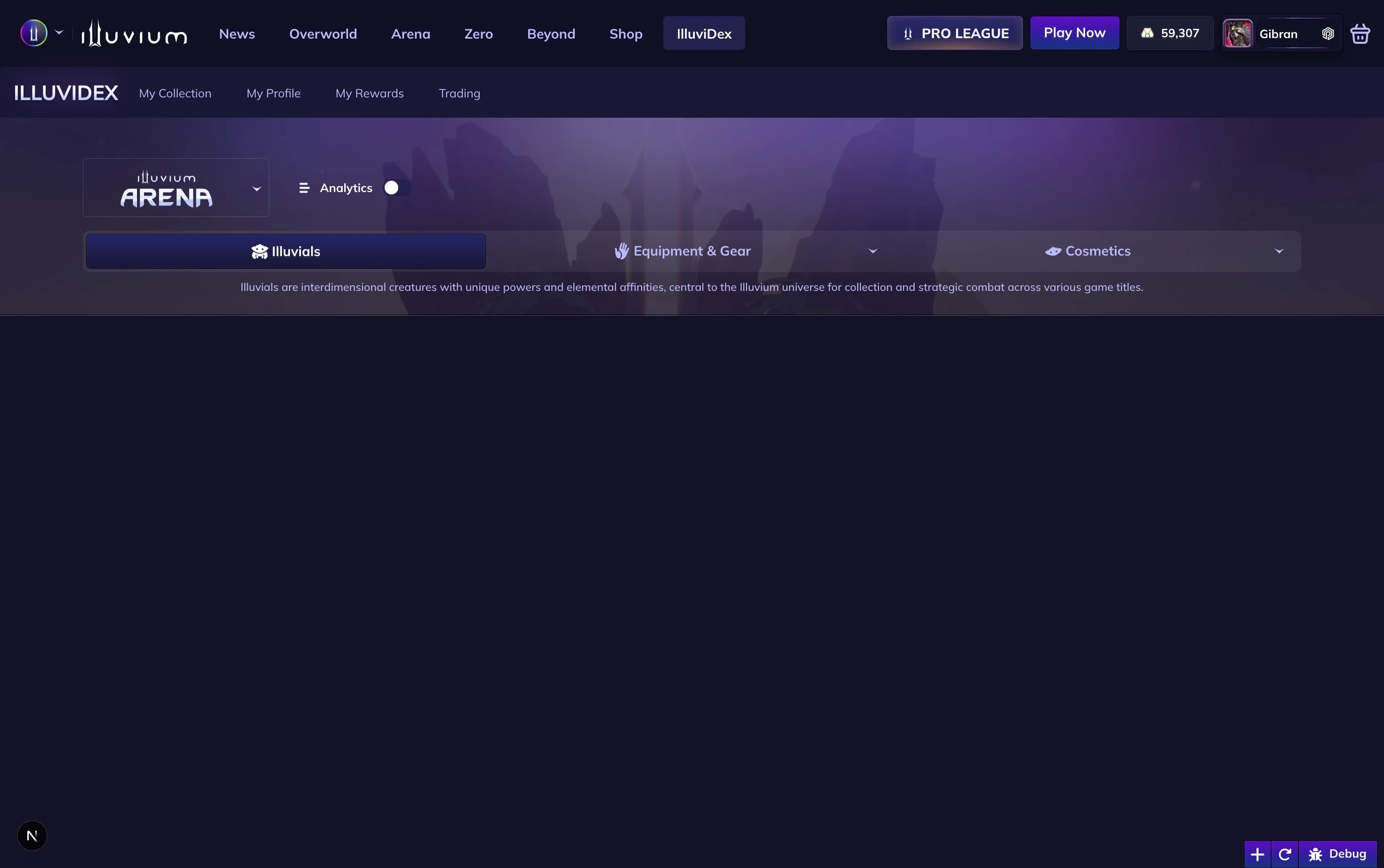
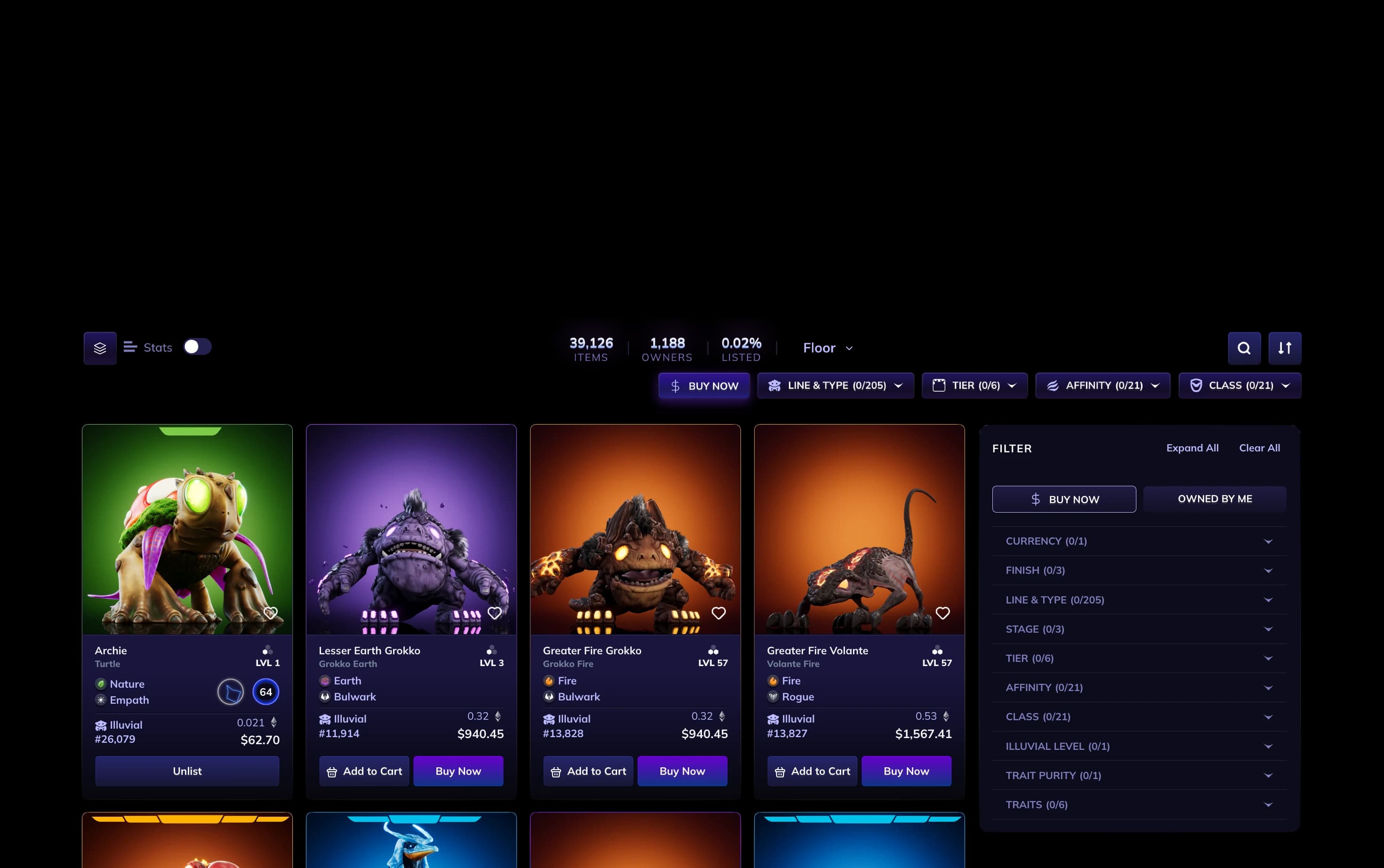
IlluviDex Marketplace is the web marketplace for Illuvium game NFTs: browsing, trading and wallet integration for in-game assets. It’s the application I worked on most, by a wide margin.
Problem: every trade page had grown its own filtering, search and sort implementation. Adding a filter meant touching several pages, and behavior diverged between them.
Decision: rebuild it as one composable system, migrate each trade page onto it, and delete the files the refactor made obsolete, because the cleanup is part of the work, not a follow-up ticket.
Result: a new filter type became a change in one place. The same year I migrated asset details, offers and the ability overlay onto the new IMX layer while the marketplace kept trading.
Role: Frontend Engineer · Year: 2024
Illuvium Login System Library, Version 1
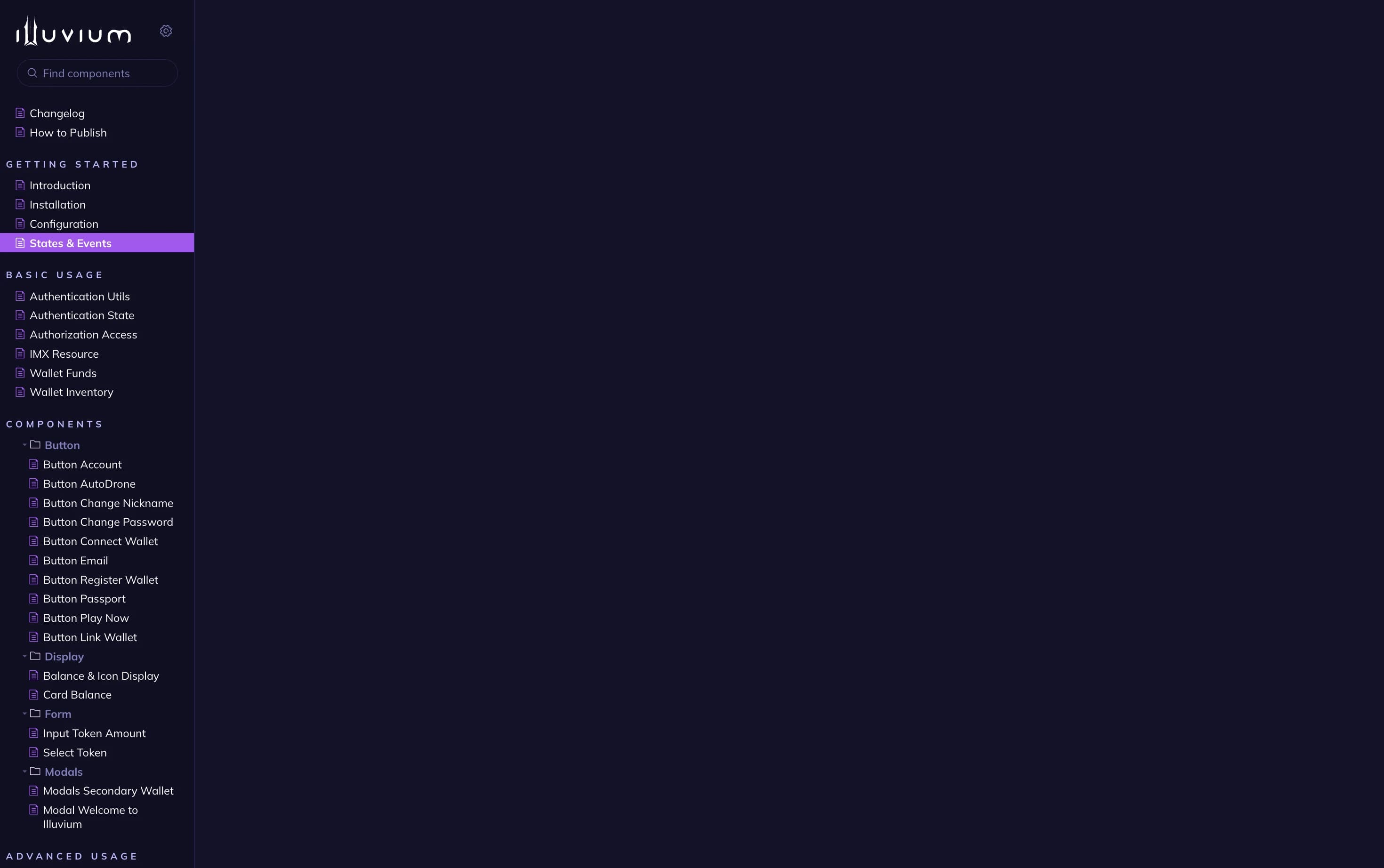
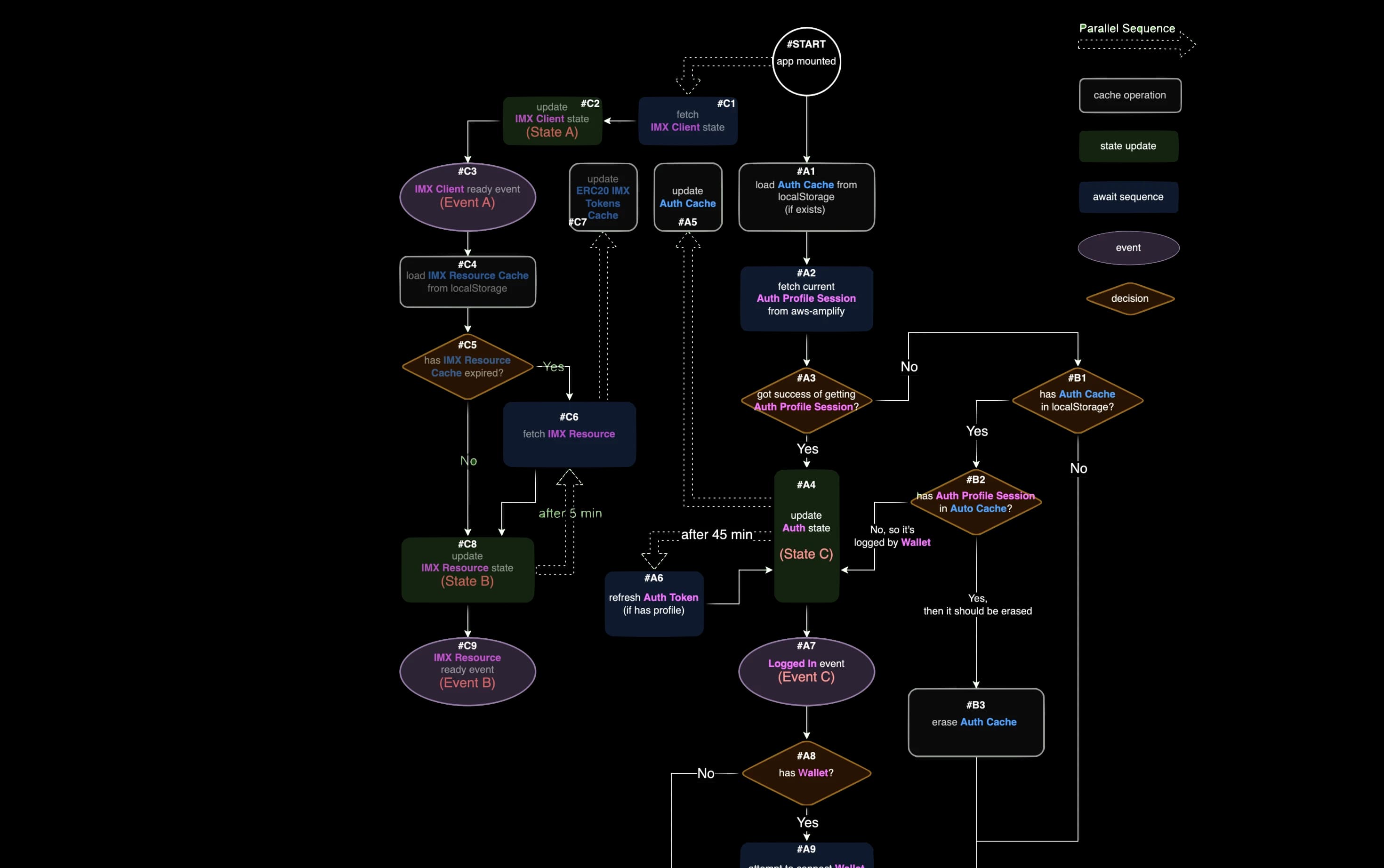
Illuvium Login System Library is the shared authentication library behind login across the Illuvium web ecosystem.
Problem: each application handled authentication its own way, and Web3 login (wallet-based) and traditional login (email and password) had almost nothing in common structurally.
Decision: build one library that treats both as interchangeable strategies behind a single interface, so applications integrate authentication once and gain new methods for free.
Result: a unified, secure login experience across the ecosystem, shipped as a versioned library with its own documentation.
Role: Frontend Engineer · Year: 2023
Illuvium Beyond D1SK Web
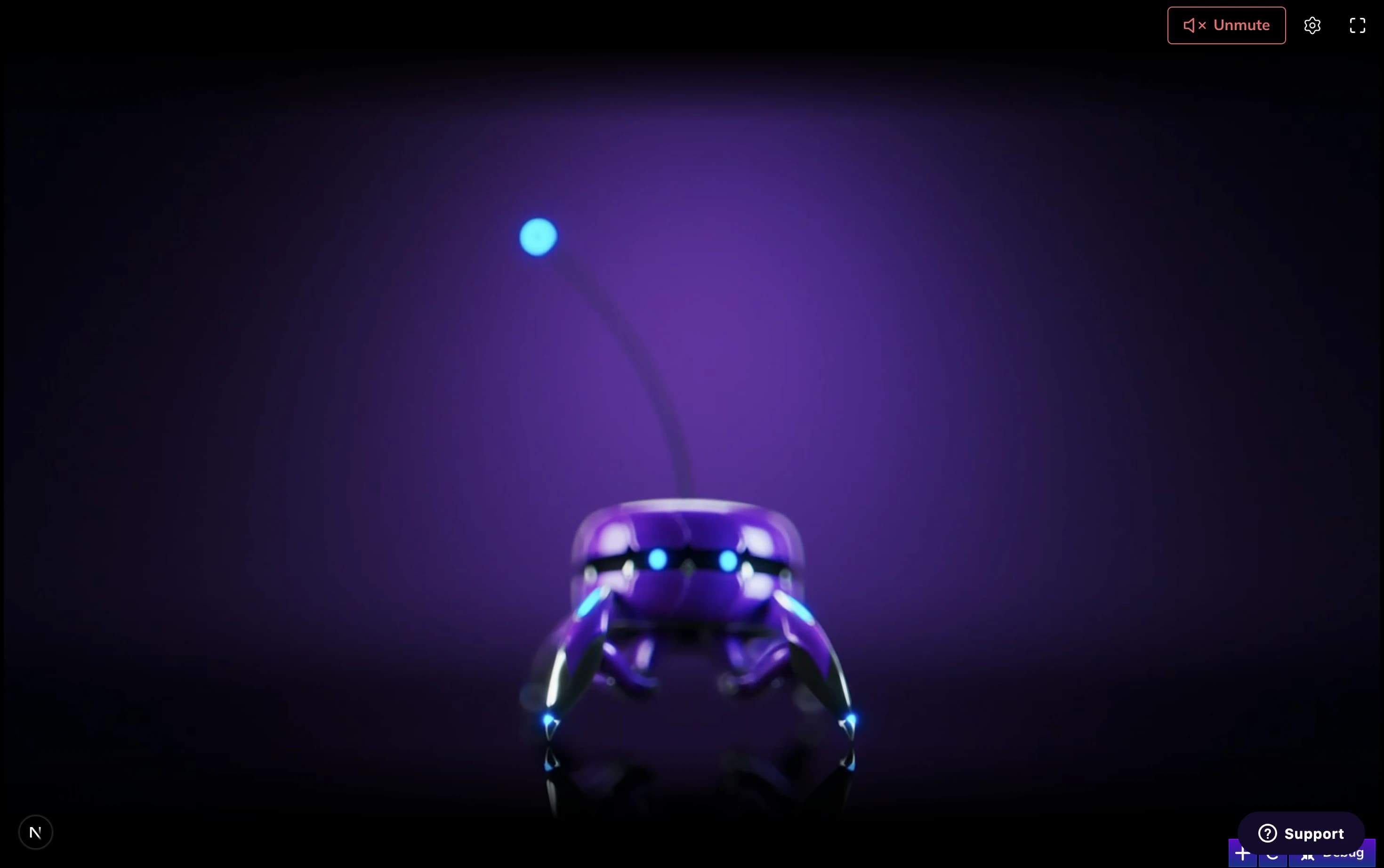
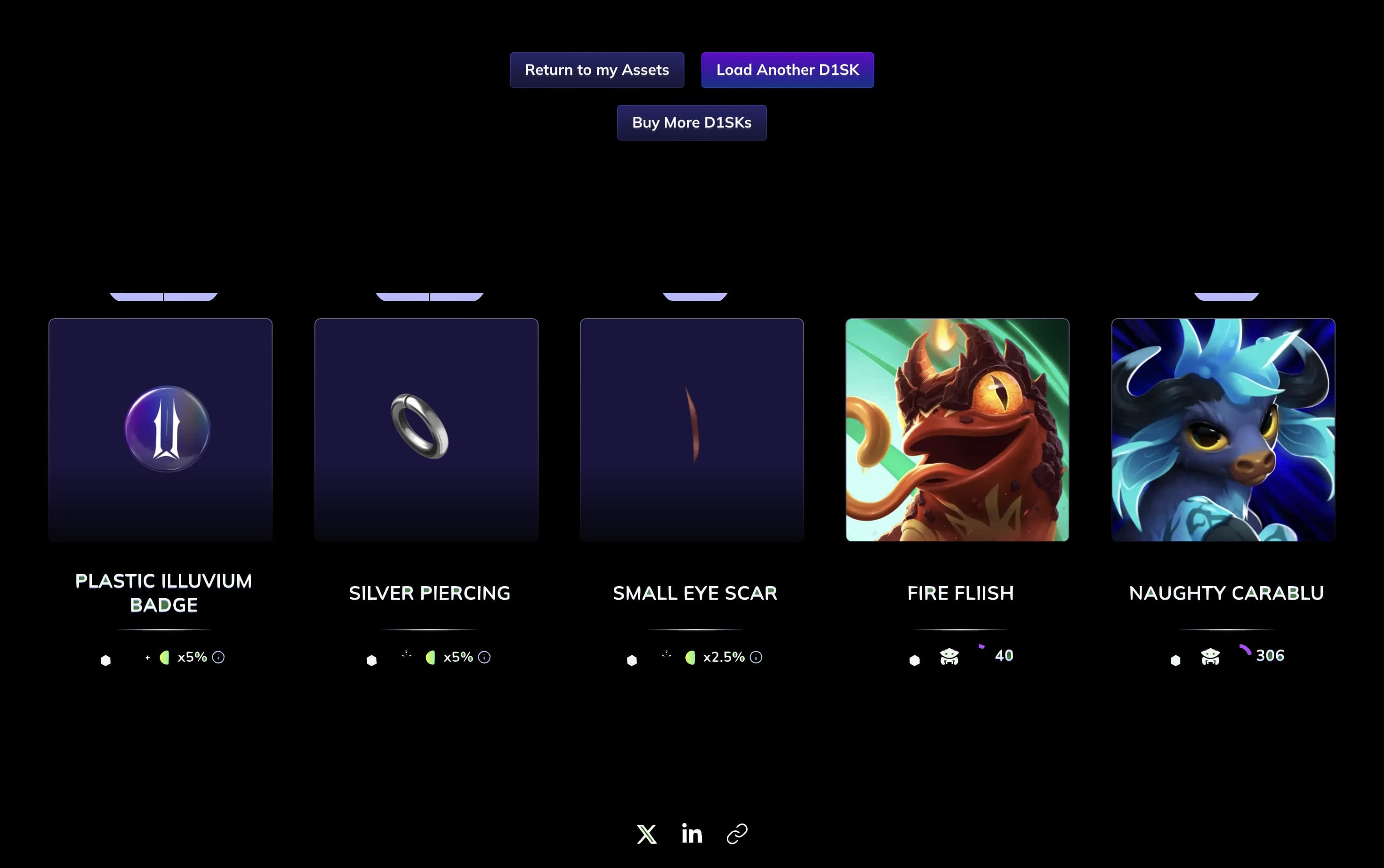
Illuvium Beyond D1SK Web is the mini-application for opening purchased Disks and revealing the collectible NFT cards inside, the moment players actually see what they bought.
Problem: a reveal is a promise. It has to feel good, and it cannot lose or duplicate an asset, on any device, including mid-animation failures.
Decision: own the flow end to end, treating animation, state machine and real-time feedback as one system, and later refactor it for mobile once the data showed where players actually opened Disks.
Result: the flow shipped and was extended over time with multi-disk loading, VFX and mobile-browser fixes. A live stream excerpt shows it in use.
Role: Frontend Engineer · Year: 2023
Illuvium Design System Library, Version 1
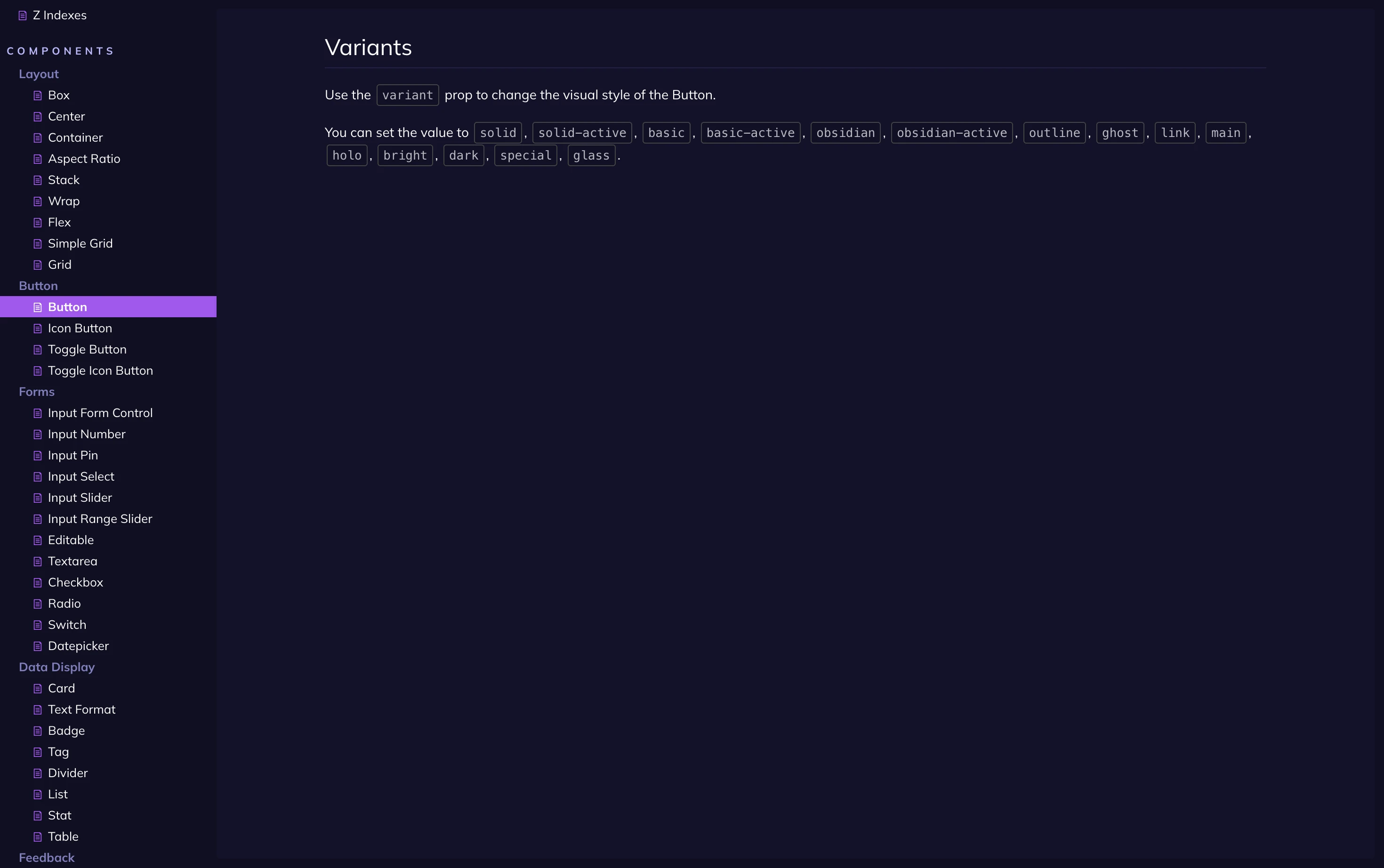
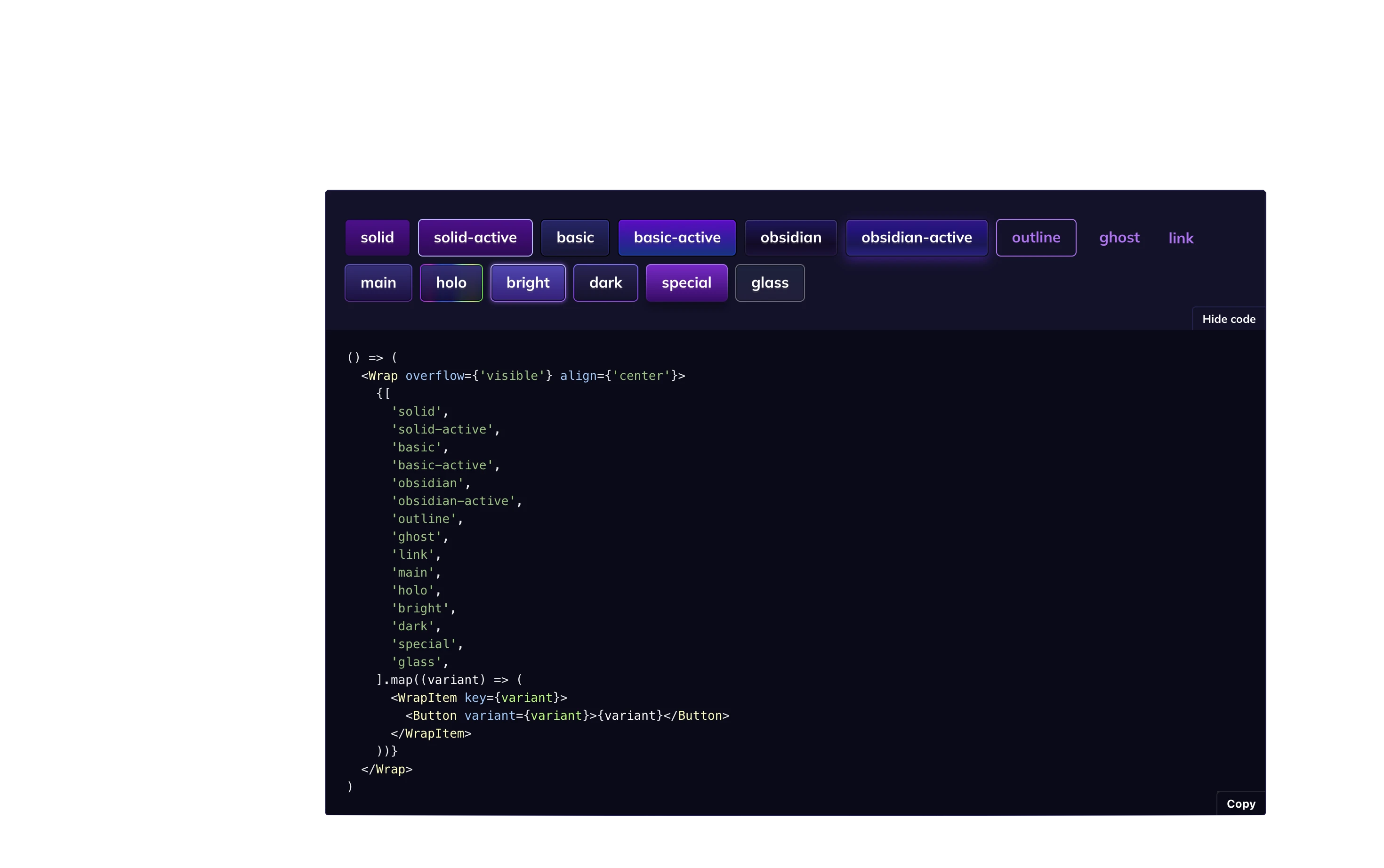
Illuvium Design System Library is the original design system for Illuvium’s web products.
Problem: every property had its own interpretation of the brand, and the shared libraries that existed had drifted, with local overrides stacked on top.
Decision: start from what the design team already had, mapping and formalizing existing assets into tokens, themes and components, rather than inventing a new visual language nobody had agreed to.
Result: one foundation, adopted app by app, and then completely finished: the legacy illuvium-design and styled-system libraries were removed entirely rather than left to coexist.
Role: Frontend Engineer · Year: 2022
Illuvium Staking App, Version 2
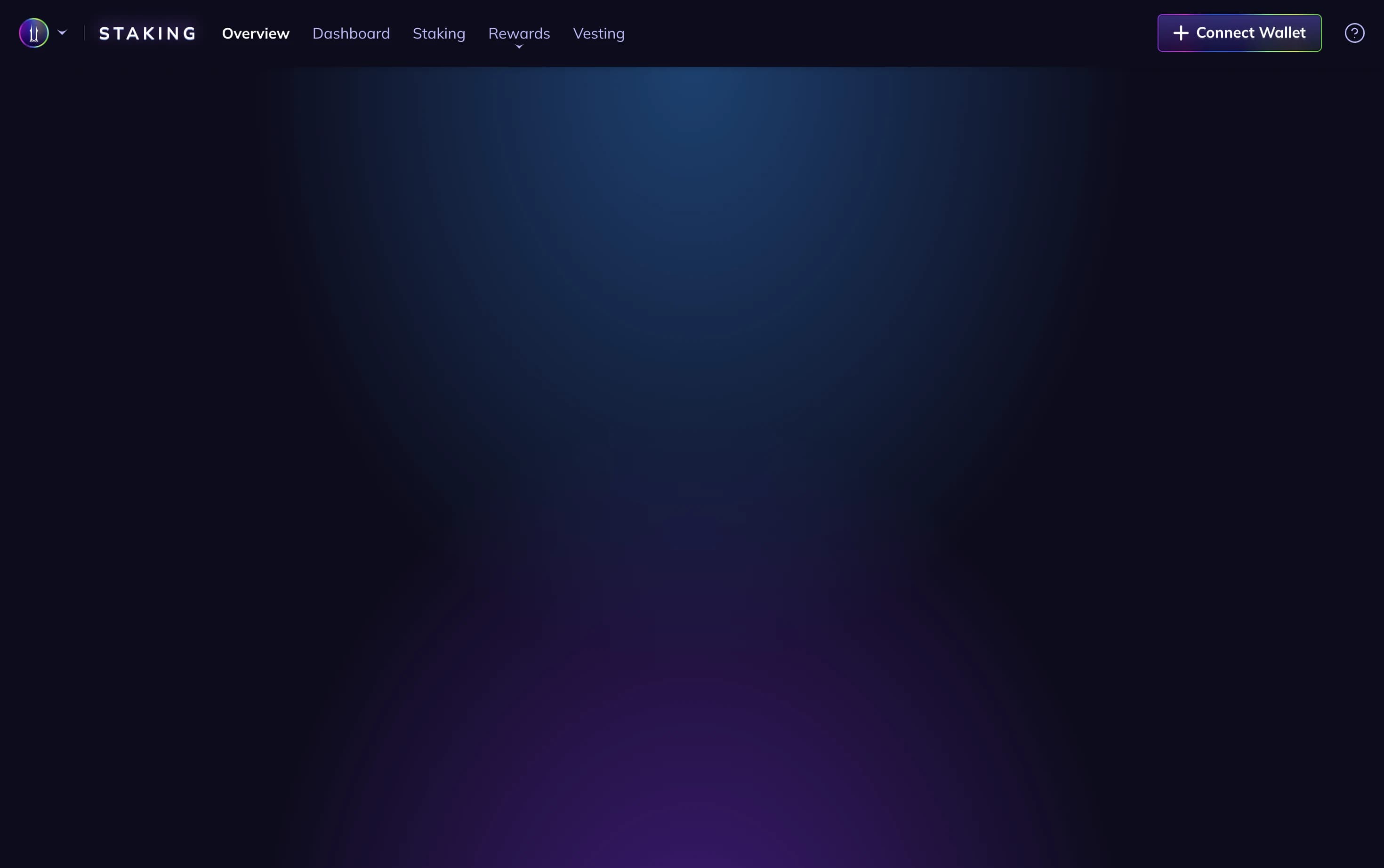
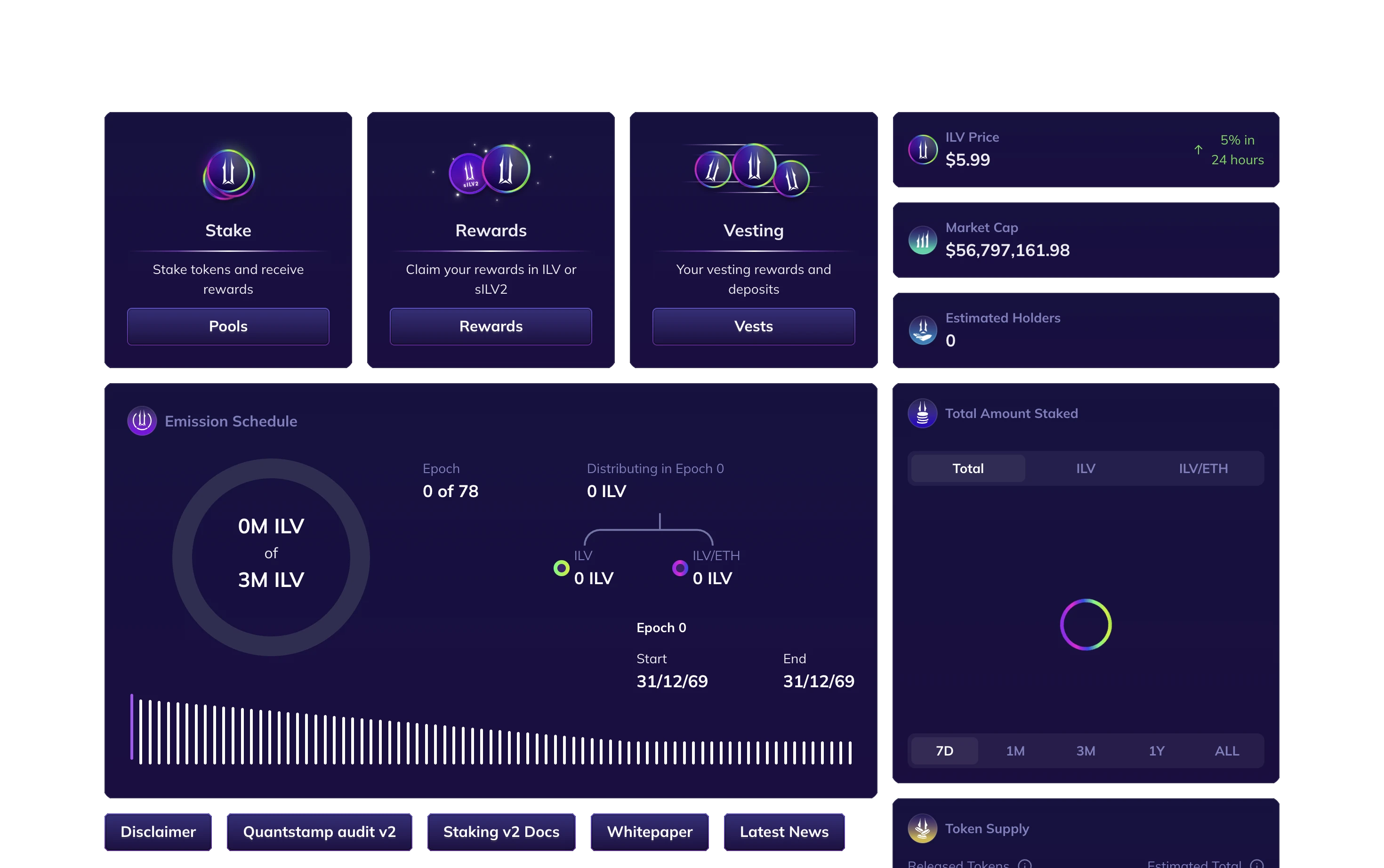
Illuvium Staking App v2 is the redesigned staking platform built for Illuvium’s evolving tokenomics and a growing user base.
Problem: staking asks people to lock real money based on numbers on a screen. Ambiguity in the interface is a trust problem, not a design preference.
Decision: own the complete frontend and design for clarity first. Make pools, rewards and vesting legible, and make on-chain state and its latency visible instead of hidden behind a spinner.
Result: a high-performance, responsive interface that users could act on with confidence.
Role: Frontend Engineer · Year: 2022
NDapp
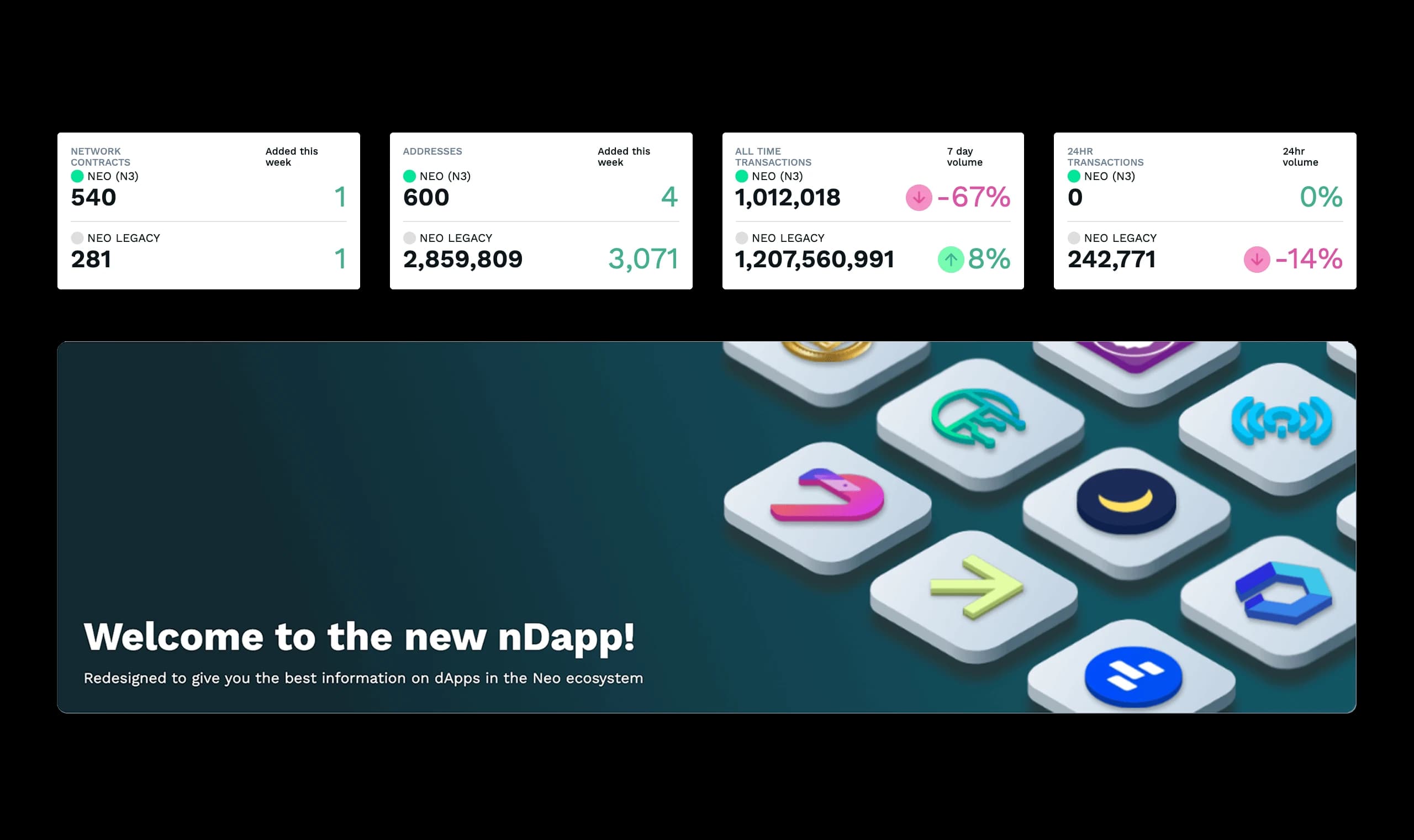
NDapp became the official dApp gallery of the Neo network: detailed information and automatic updates for every decentralized application, with data pulled directly from the NeoLegacy, Neo N3 and Neo X blockchains.
My part: I defined the initial structure of the project and built its first functionalities, covering the data aggregation layer and the interface on top of it. This is where my Web3 work started, several years before it became my main line.
Role: Fullstack Engineer · Year: 2021
WOW Talent
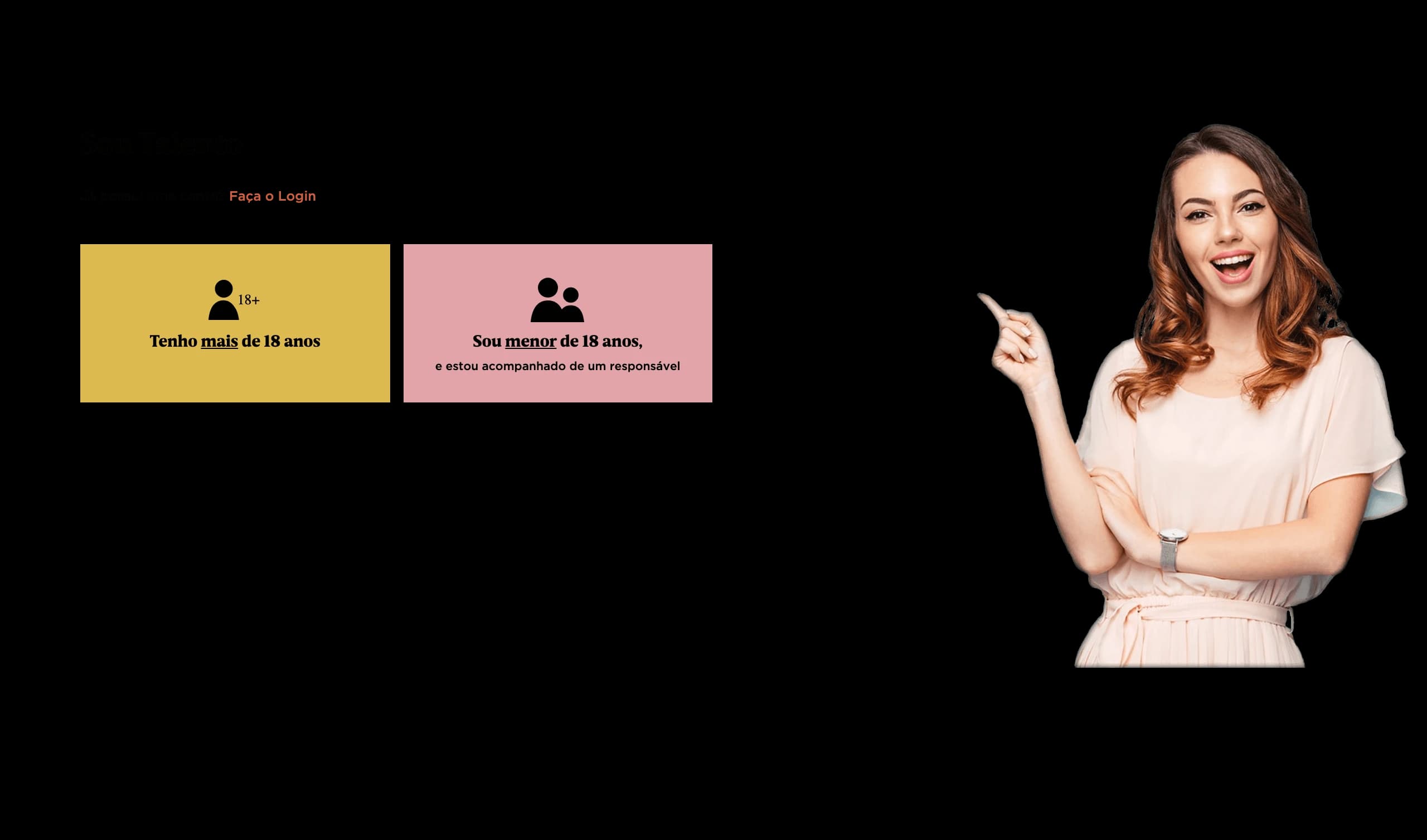
WOW Talent is a platform showcasing WOW Ambassadors, young professionals whose careers serve as references for emerging talent, highlighting their journeys and insights to help new talent learn and connect.
My part: fullstack, from content modeling through to the interface. A content-heavy product where the editorial workflow mattered as much as the front end.
Role: Fullstack Engineer · Year: 2021

Sharity
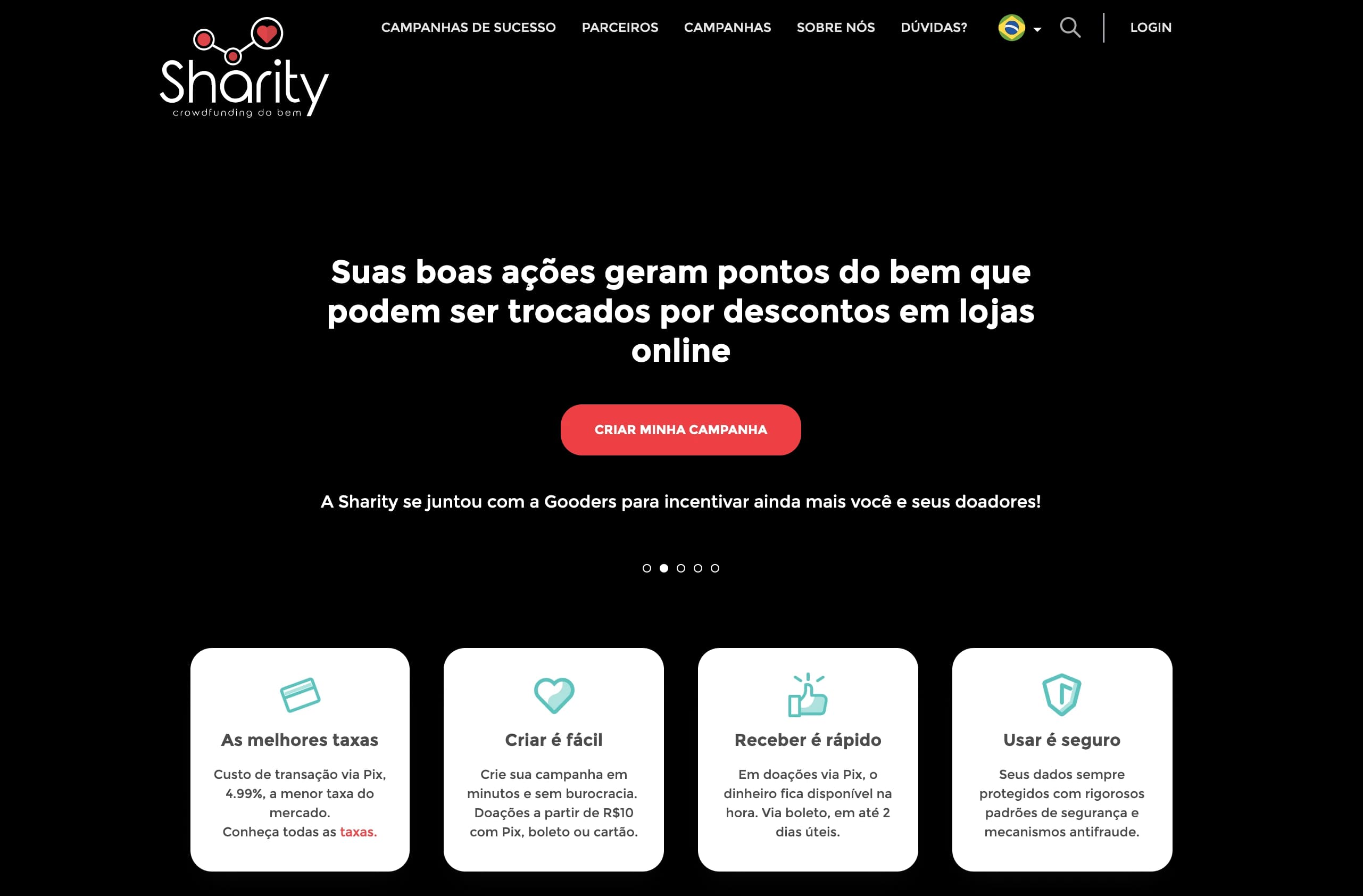
Sharity is a crowdfunding platform built to make creating campaigns and raising funds for meaningful causes simple and accessible, with a focus on usability, transparency and efficient donation flows. It was later acquired by Abacashi, which then brought my team in to modernize its own platform.
My part: fullstack, covering campaign modeling and the donation flow. Money movement and transparency requirements shaped most of the technical decisions. After the acquisition I led the Abacashi refactoring: selecting the technologies, defining the system architecture, guiding the developers and running code review.
Role: Fullstack Engineer · Year: 2019 to 2021
iTrack
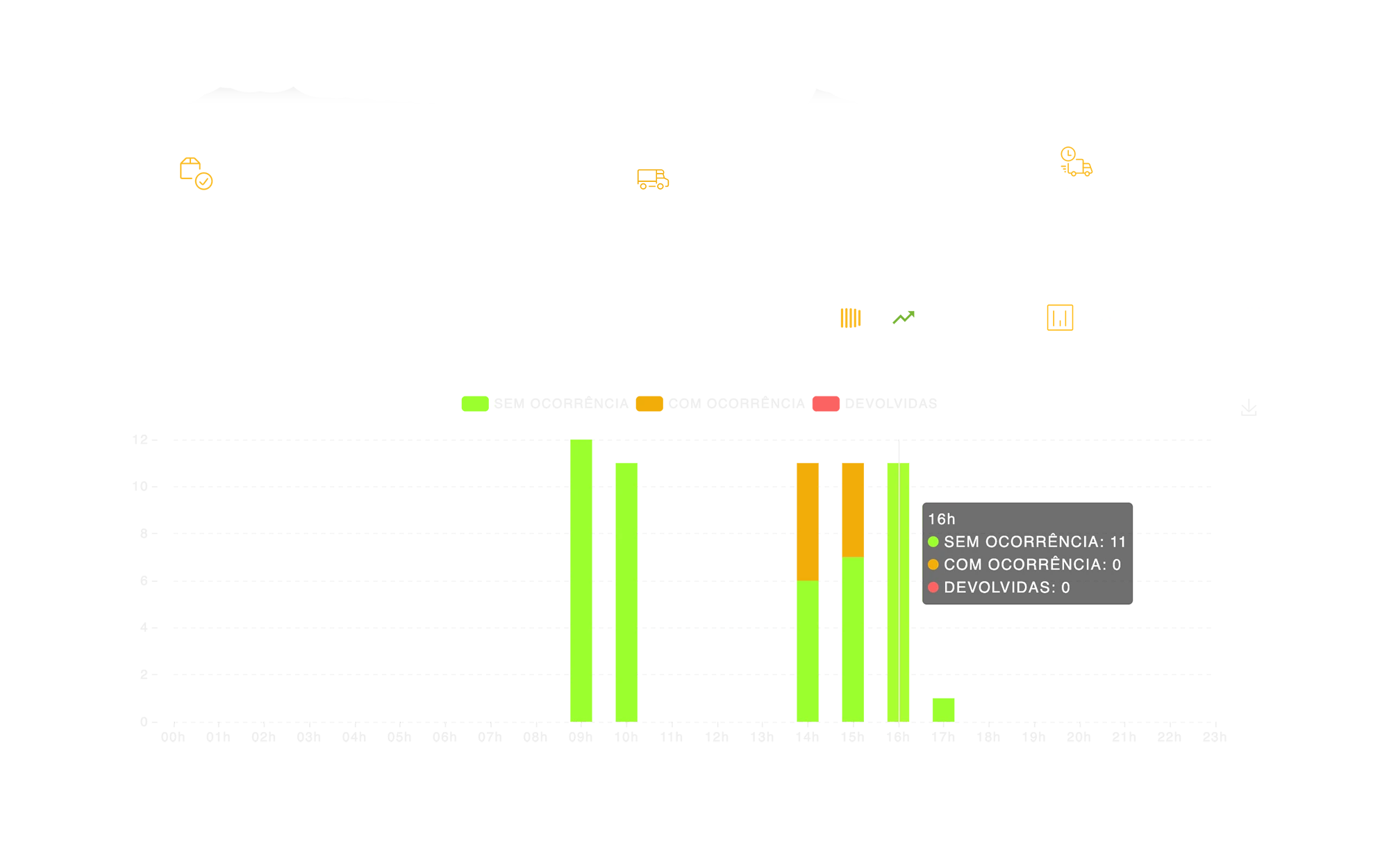
iTrack is a B2B delivery monitoring, verification and management platform providing end-to-end visibility from dispatch to last mile. It ran at real scale: nearly 60,000 couriers, 2,000 registered companies and over 50 million invoices, and was acquired by MadeiraMadeira in 2021.
My part: key technical contributor on a high-volume platform. Architecture decisions and system modernization alongside staff-level leadership, integration across multiple systems, and optimizing access to large data volumes. Plus the monitoring, alerting and performance work that operational reliability depends on. Backend APIs in Spring Boot (Java) over MySQL, tuned for production volume.
Role: Fullstack Engineer · Year: 2016 to 2018
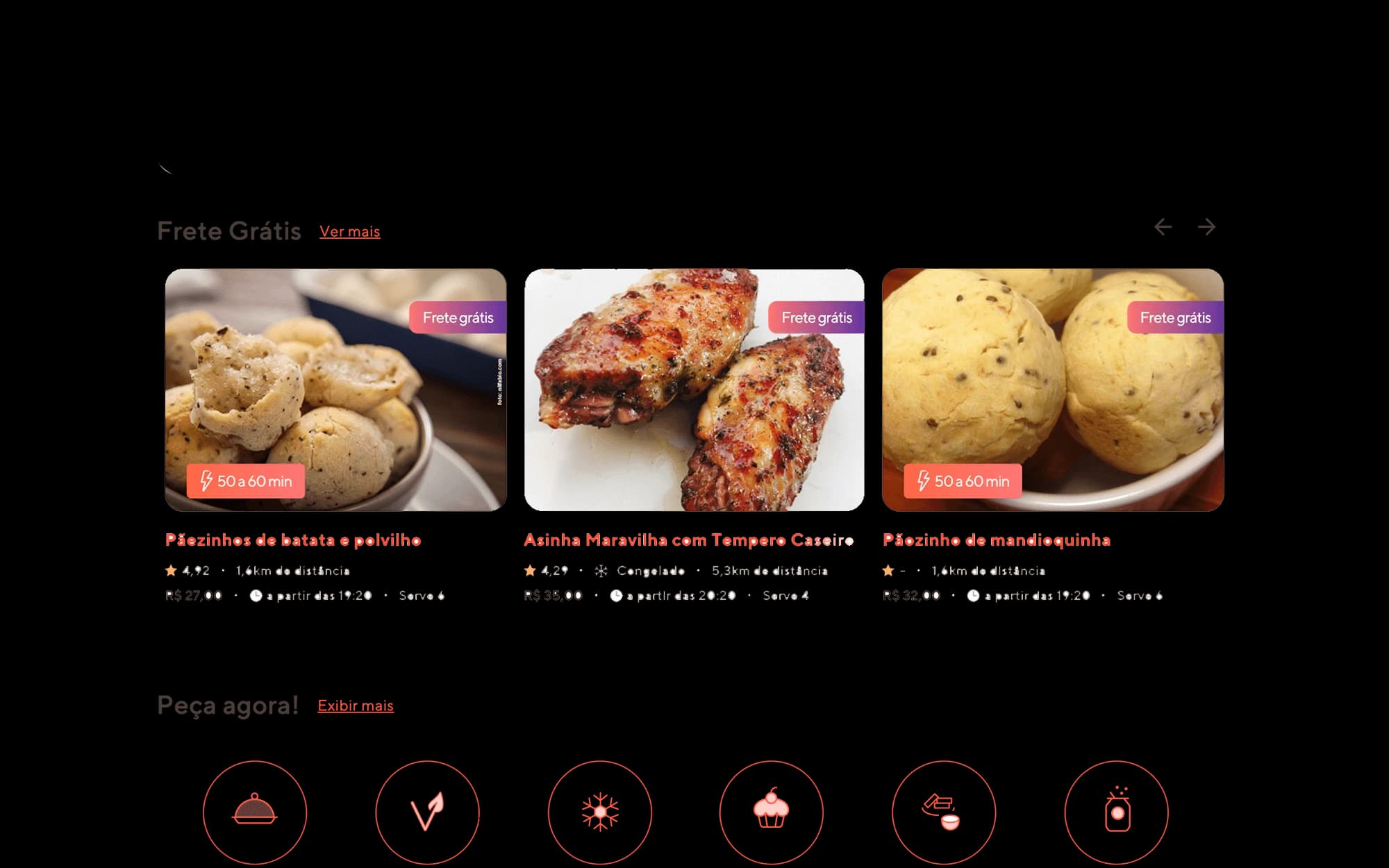
Apptite
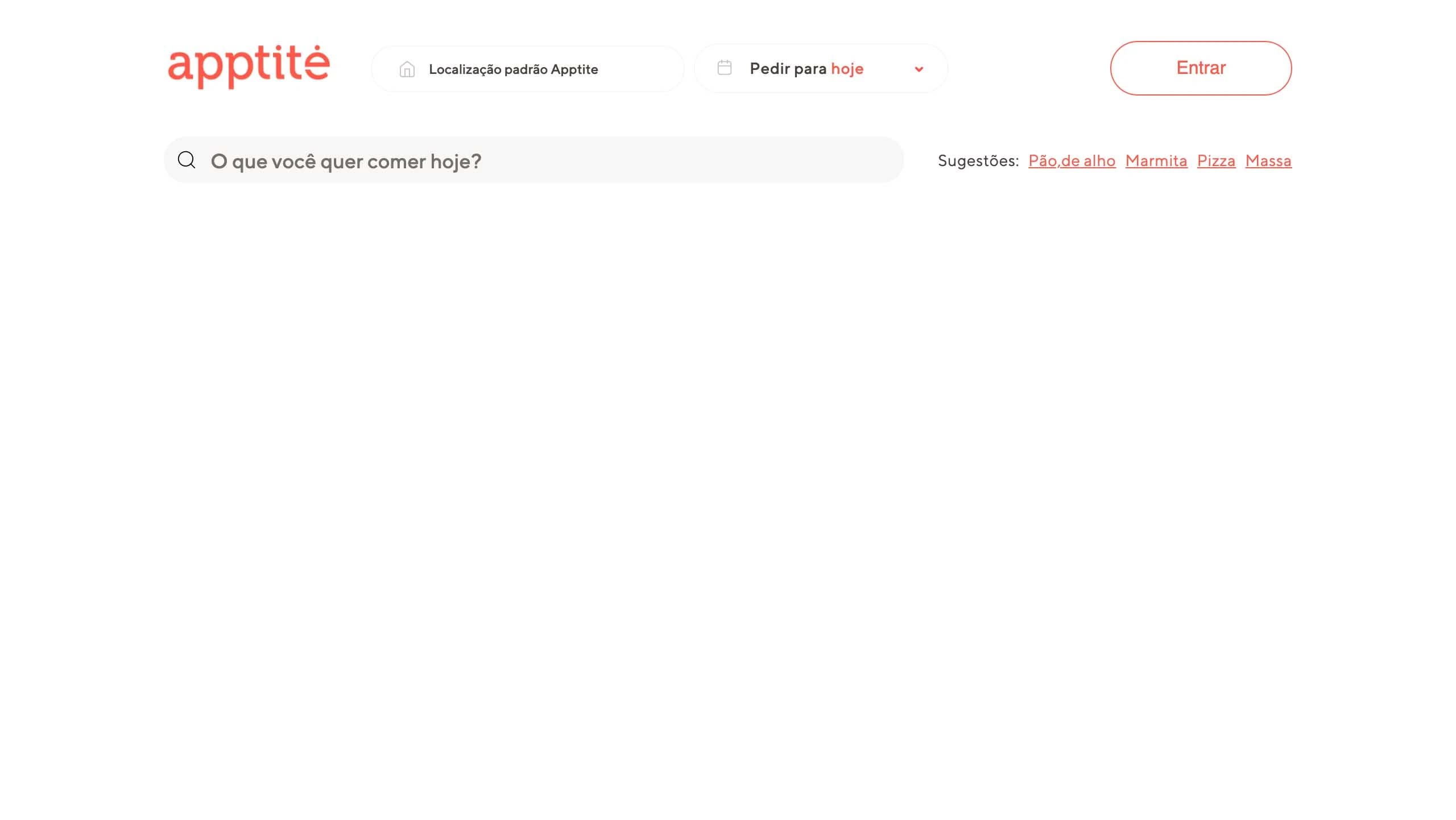
Apptite is a food delivery platform connecting independent chefs with customers looking for handcrafted, homemade meals in São Paulo: discovering chefs, exploring menus and ordering lunch boxes. It went through the 500 Startups accelerator and became a reference in the artisanal food market.
My part: I worked on the web side of the platform. The ordering flow existed only in the iOS and Android apps, and I reproduced it end to end on the web, from discovering a chef and browsing the menu to placing the order. That flow is where a browsing user becomes a paying one, which is where the reliability requirements are highest.
Role: Frontend Engineer · Year: 2016 to 2017
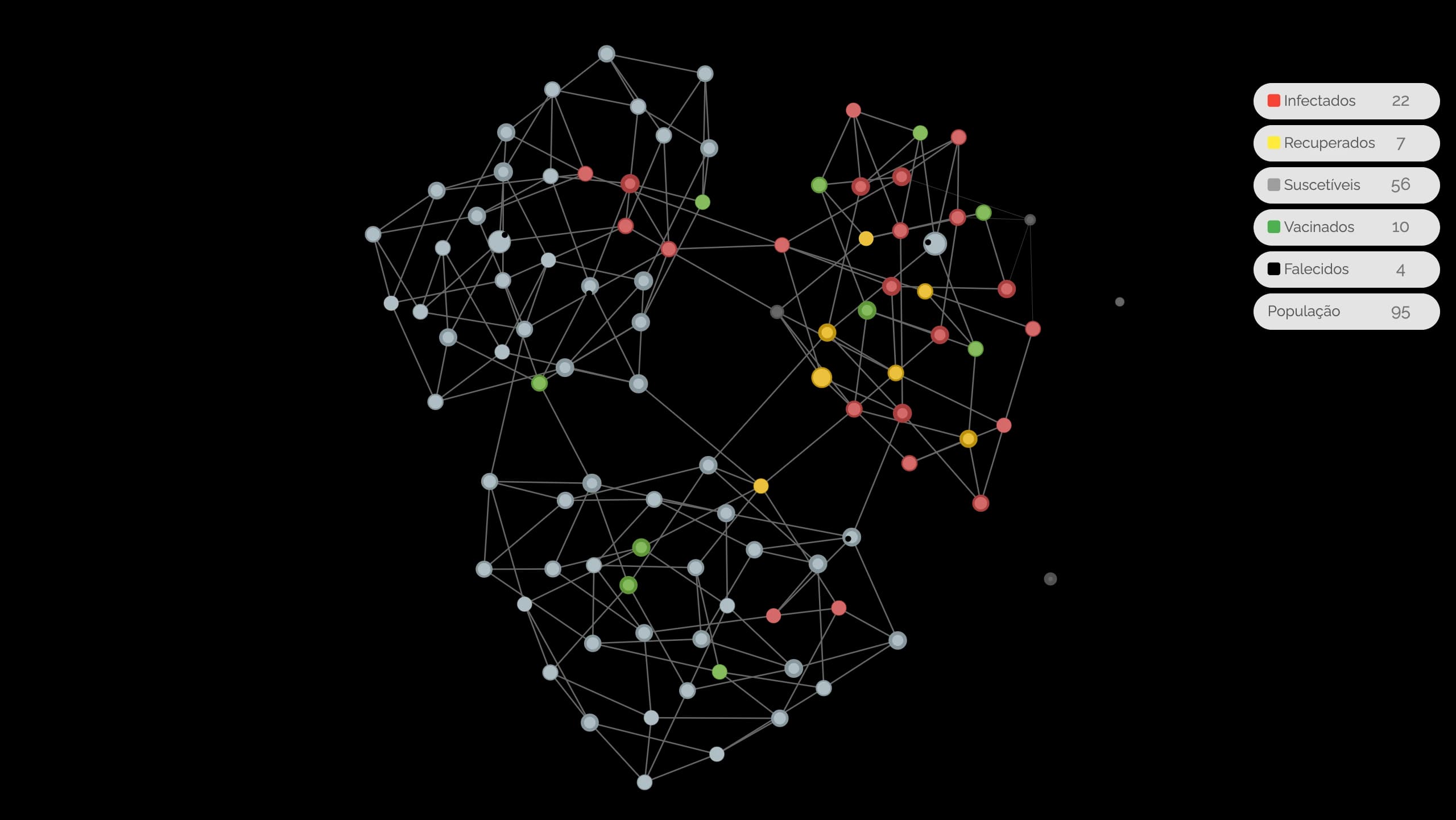
Illness Simulator
Illness Simulator (Illsim) models how a virus spreads through a population and evaluates how different vaccination strategies change the outcome, letting infection rate, population size and coverage be adjusted to see their effect.
My part: an academic project, and the earliest thing here. It’s included because the instinct is the same one I still work by: make the variables adjustable and let the data answer the question.
Role: Frontend Engineer · Year: 2017